The days are starting to get shorter and shorter, so I’m trying to get in as many after work hikes as possible before day light savings time. I met up with a friend in Golden this week to hike South Table Mountain— one of the first hikes I ever did in Colorado! This is a short but steep trail, with great views of the foothills, front range and city.
The parking lot is in a residential neighborhood (street parking) and snakes up the side of table mountain. The trail is narrow and rocky, but easy to find and winds through the willows. Once at the top, there was plenty of space to socially distance and watch the sunset— great quick weekday hike!
We continued our desert hikes by exploring McInnis Canyons National Conservation area, right on the Colorado /Utah border. We took the Rabbit Valley exit, then followed the dirt road to signs for Rabbit Valley. The trailhead is accessible by 2 WD and had plenty of parking. The sign for the trailhead does list the trail mileage wrong— it says the loop is 4.8 miles.
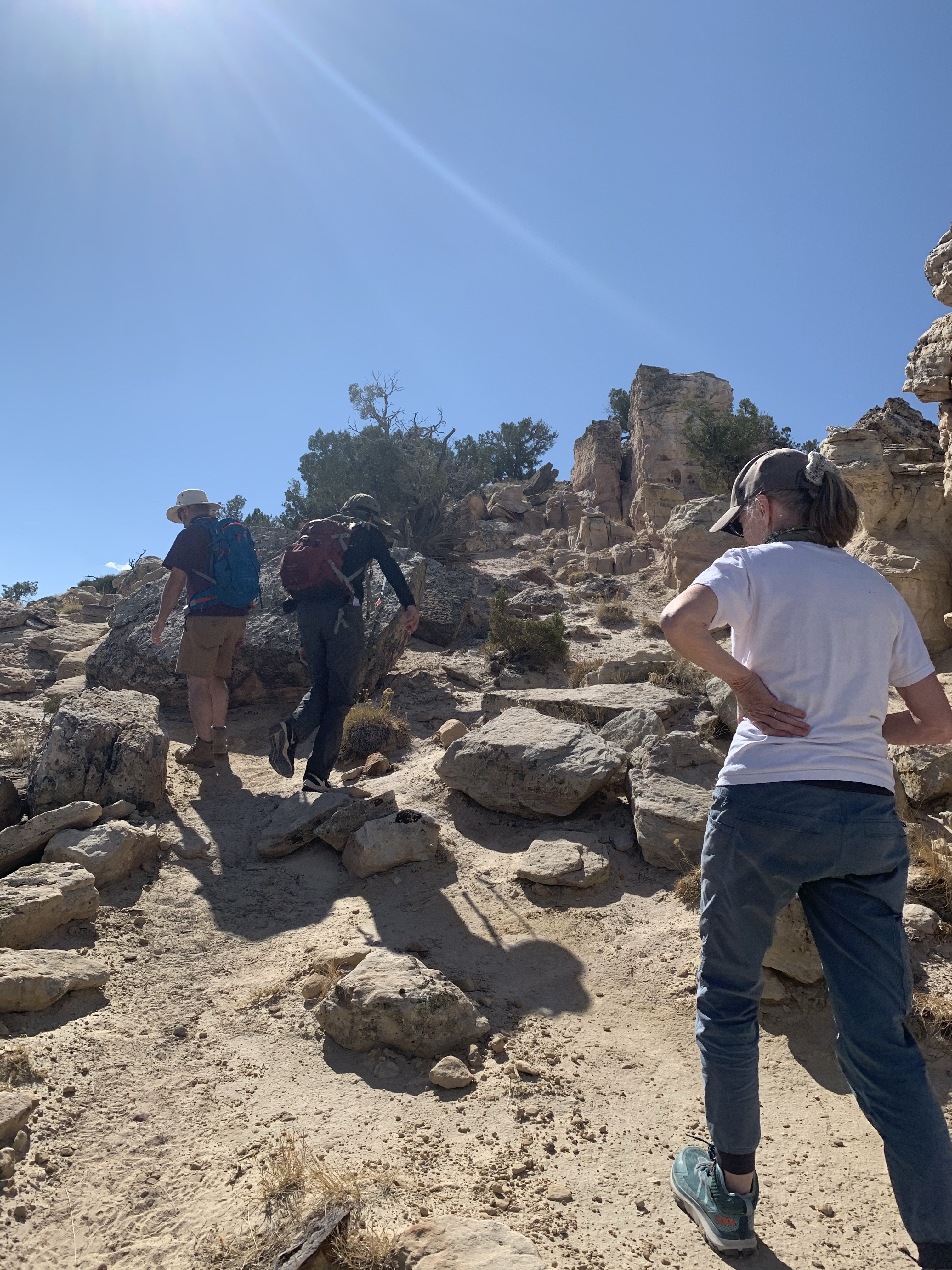
The first 1.2 miles of the trail steadily climbs elevation. This section is not the most scenic, since it overlooks the interstate. However, once to a mile we did not really hear the road noise. This section of the trail was also pretty rocky and eroded in certain areas. Once to the top of the Mesa, you have a beautiful view of McInnis Canyons and the Colorado River. Once on the top of the mesa, the trail elevation tapers off considerably. There were quite a bit of pinyon trees which offered a bit of shade. We only saw one other group of people the whole time!
This past weekend I met my friend down in southern Colorado for a fall backpacking trip into the Sangre de Cristo mountains. It was a great way to see the aspens before they are all gone— this area was definitely at peak. The trailhead is close to the town of Crestone, in the Rio Grande National Forest (no daily fee required). There is a backcountry registry at the trailhead and plenty of bear activity— make sure that you put trash, food and scented items in your trunk.
The trail begins with a slow gradual uphill next to the creek for about the first mile. This stretch had magnificent aspen views and felt cool and shaded next to the creek. Once to the switchbacks, the trail becomes significantly more narrow and rocky. The majority of the elevation (~1K ft) is packed into the next mile of the trail. This section of the trail is also pretty exposed without shade, so you feel the full blast of the heat on you as you crank uphill. At about 2.5 miles, the trail elevation gain becomes more gradual and there is a beautiful view of the valley below. It was so pretty to be above the aspens!
The trail has a slight downhill towards the trail junction with North Crestone Lake and the Comanche-Venable loop. Before you reach the trail junction (near mile 3), there is a creek crossing, followed by two large campsites. We were happy to find no one else had set up camp here! We took the campsite farthest from the trail, and began to set up camp. Once camp was set up, we hiked a little further following the North Fork trail, which had beautiful views of aspens and the valley. Great moderate backpack! It was still pretty warm there at night and we slept pretty comfortable.
Quick bonus story— when we finally got to our camp site and took off our packs, we realized that we forgot the tent poles 🤦🏼♀️. Luckily, I had brought a pretty big rope and we had a lot of paracord. We were able to secure the tent using rocks inside the tent, then tying the paracord to rocks / trees nearby. We strung the large rope between the two biggest trees, then used a carabiner to clip the top of the tent to the rope. Check out the pic below! I’m really proud that we stuck it out, found a solution and still were able to camp!!
Left and followed N FK. Morning view of the valleyHiking out in the morning- view of the valley Tent suspended by ropes and rocks Sunset in the Sangres
We continued our fall weekend hikes in the San Isabel National Forest, outside of Leadville. This trailhead is near the Turquoise Lake recreation area— I would highly recommend taking a weekend trip out here if you live in the Denver area. The Windsor Lake trailhead is down a dirt road, which closes for winter conditions. It was currently open and passable in a 2WD car. From Windsor Lake, there is a connecting trail you can take to add on Hangerman Tunnel, which we did for some added mileage. At 8 AM on a Saturday, there were few cars in the parking lot and no other hikers on the trail.
The hike to Windsor Lake is best described as short and steep. It’s about 1.2 miles to the base of the lake, just shy of 1000 ft gain. The trail immediately begins the elevation climb, following a creek through the pine forest. At .3 miles, you reach the trail junction with Hangerman Tunnel— go left to see the lake first. Once to the lake, the trail flattens out and goes the perimeter of the lake. We followed it about halfway around, then lost the trail so we headed back the same direction. Windsor Lake did not have any snow and we had the lake to ourselves the whole time we were there!
After heading down from the lake, we followed the trail junction to the left to see Hangerman Tunnel. The trail passed through a few other unmarked trails on this section— just keep making lefts. About a .5 mile from the trail junction is Douglas City— an abandoned mining town. The city has several remains of cabins, mining equipments and other turn of century debris. After Douglas City, you get to Hangerman Lake. From here, the trail climbs steeping towards an old train track— once to the junction of where the tracks would be, make a sharp left and the tunnel is a few hundred yards away. The Tunnel is a little scrabbly and sketchy to get to and is filled with ice. Use caution.
Fresh sign looking good Trail junction .3 miles in— left goes to Windsor Lake, right goes to Hangerman TunnelWe went left to the lake firstShort but steepLittle cave Windsor Lake runoff Windsor Lake to ourselves Windsor Lake Back to the trail junction and took the Hangerman Tunnel trail uphillRemains of Douglas City, an old mining town. Used to have 20+ bars and a dance hall Maybe the dance hall? Hangerman Lake— lots of old mining equipment hereViews of Mount Massive in the distance Entrance to Hangerman TunnelIce inside Hangerman Tunnel
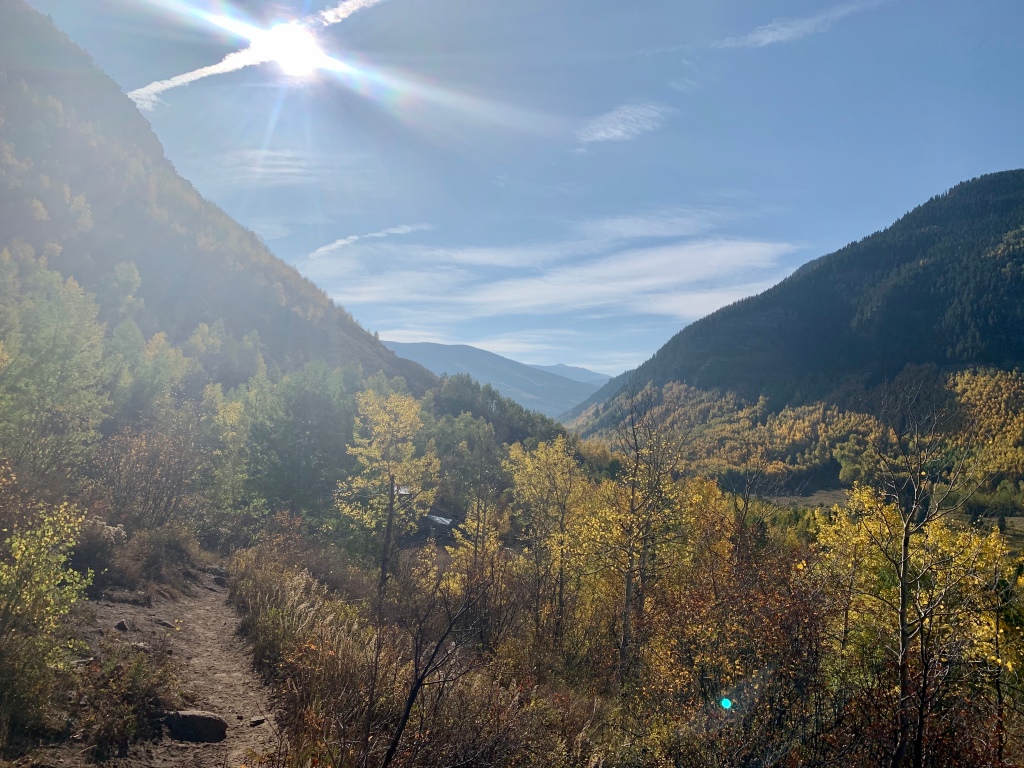
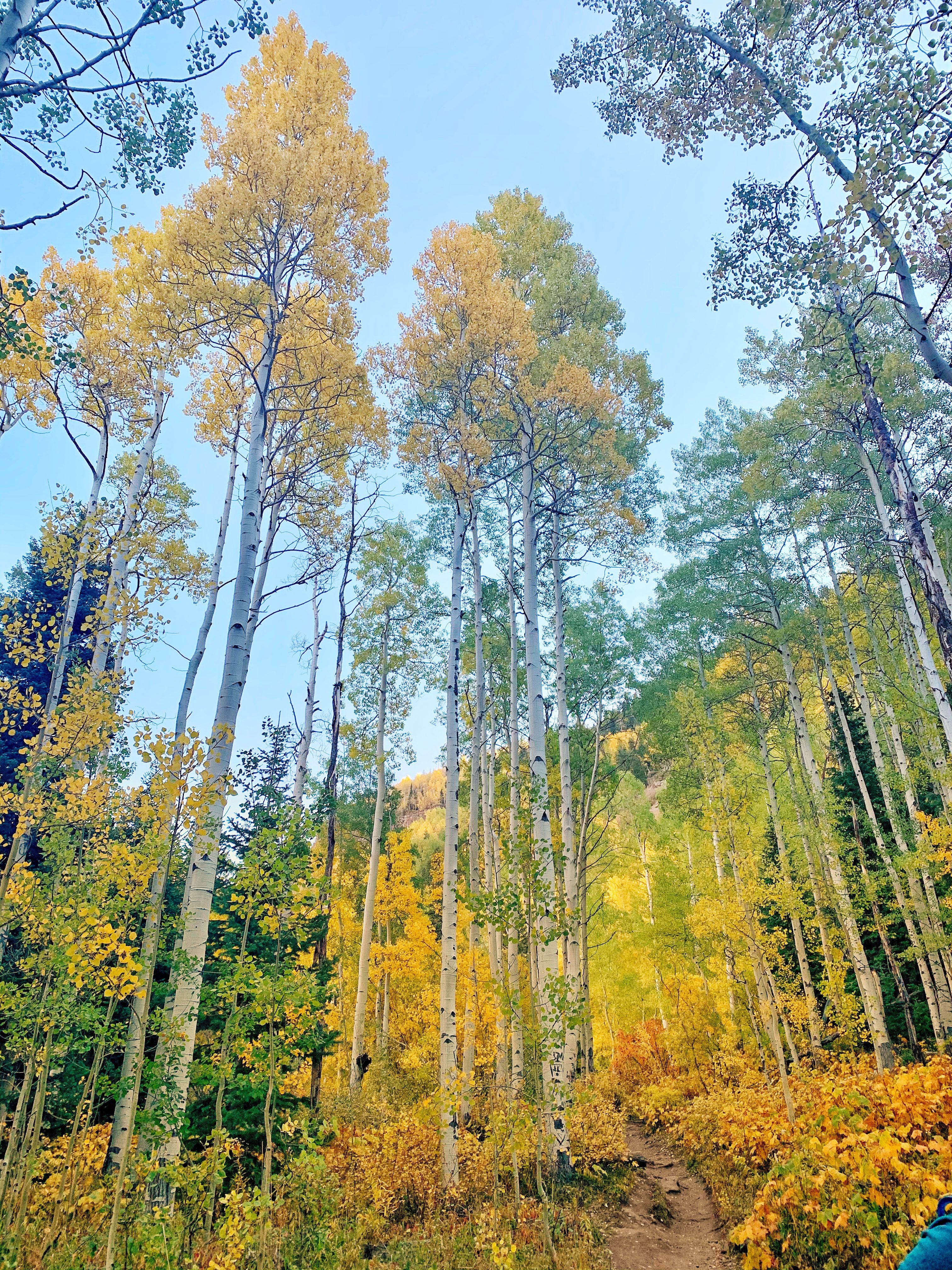
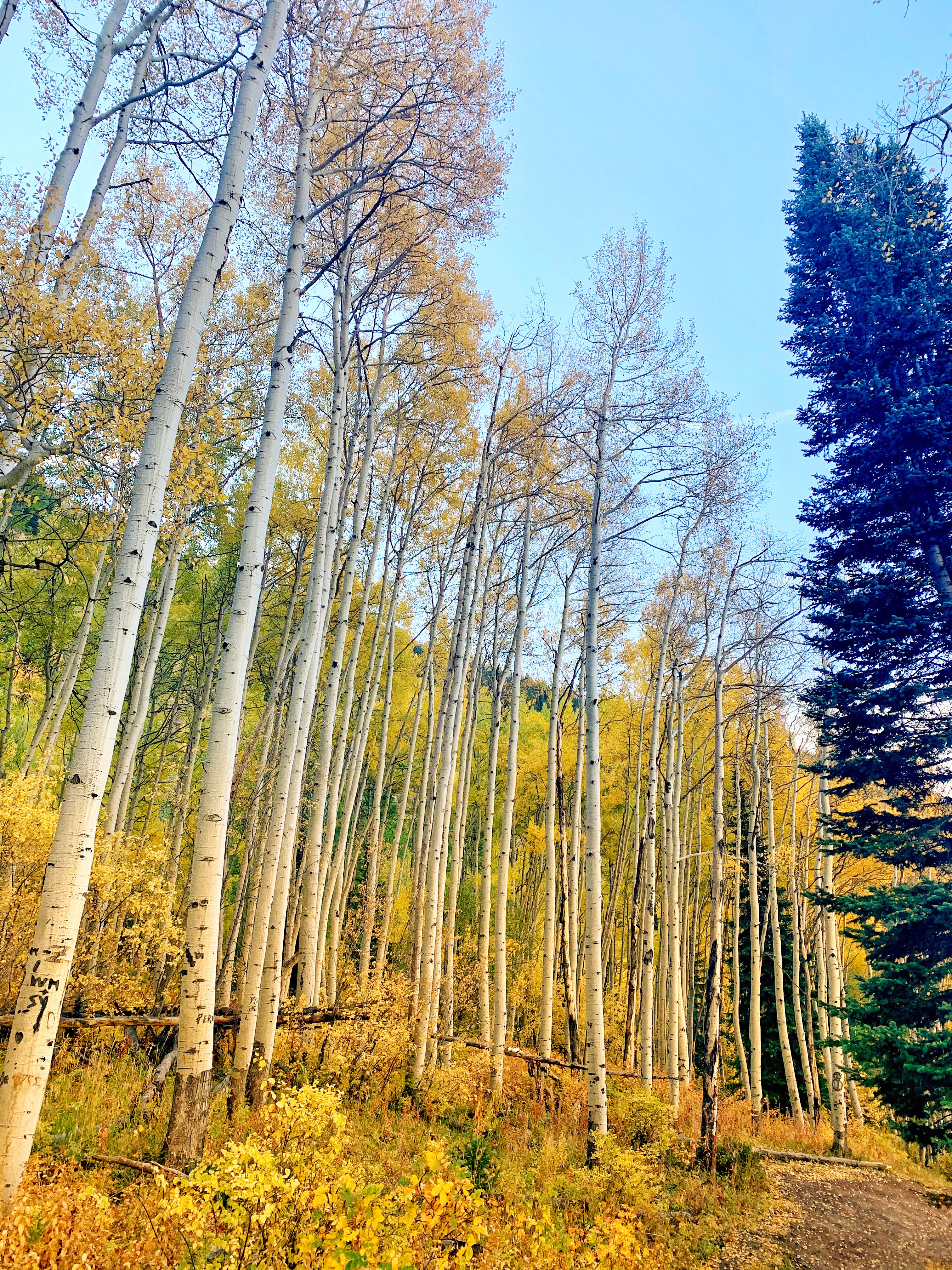
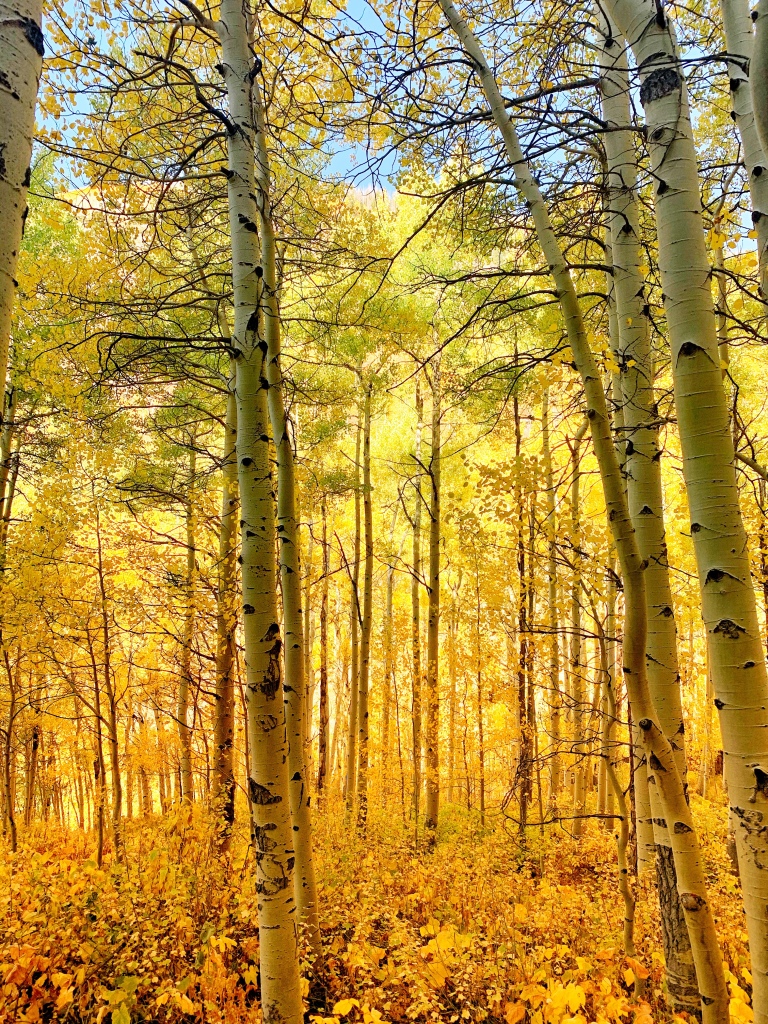
We peep’d some leaves this weekend! I love when the aspens change gold in the mountains. This year, the window is supposed to be pretty short, so we spent the weekend hiking around fall colors. Our first trek was to Booth Lake, in Vail. Most people just hike the ~4.5 mile trail to Booth Falls, but we were feeling ambitious and wanted to cross off this alpine lake. It was definitely way more scenic than the falls— plus, a great gradual climb.
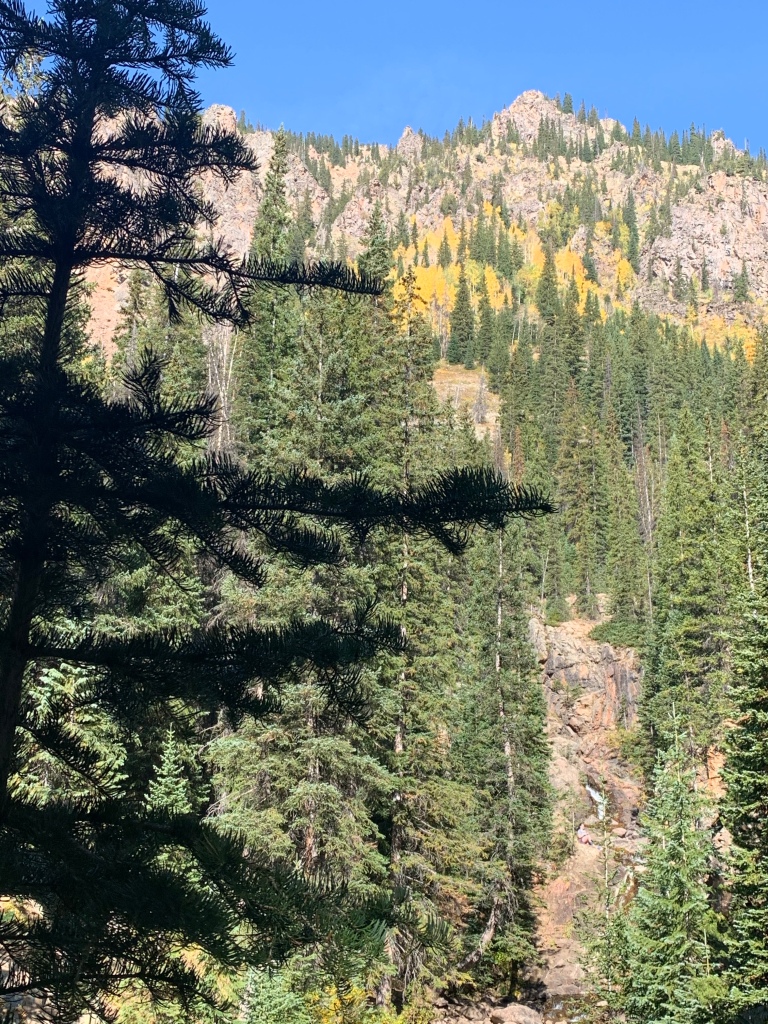
The trailhead parking lot is extremely limited, but it’s close to a free bus stop with a shuttle that stops throughout the Vail area. The beginning of the trail was pretty wide from frequent use and immediately begins to climb elevation. Here we hiked through golden aspens and willows, passing over a small creek a few times before reaching the “falls”. I’m sure in the spring time the falls are more exciting, but this time of year it was a little underwhelming. Once at the falls, the trail climbs from the base of the creek with a few steep eroded switchbacks. The trail then gains elevation more gradually, following the creek.
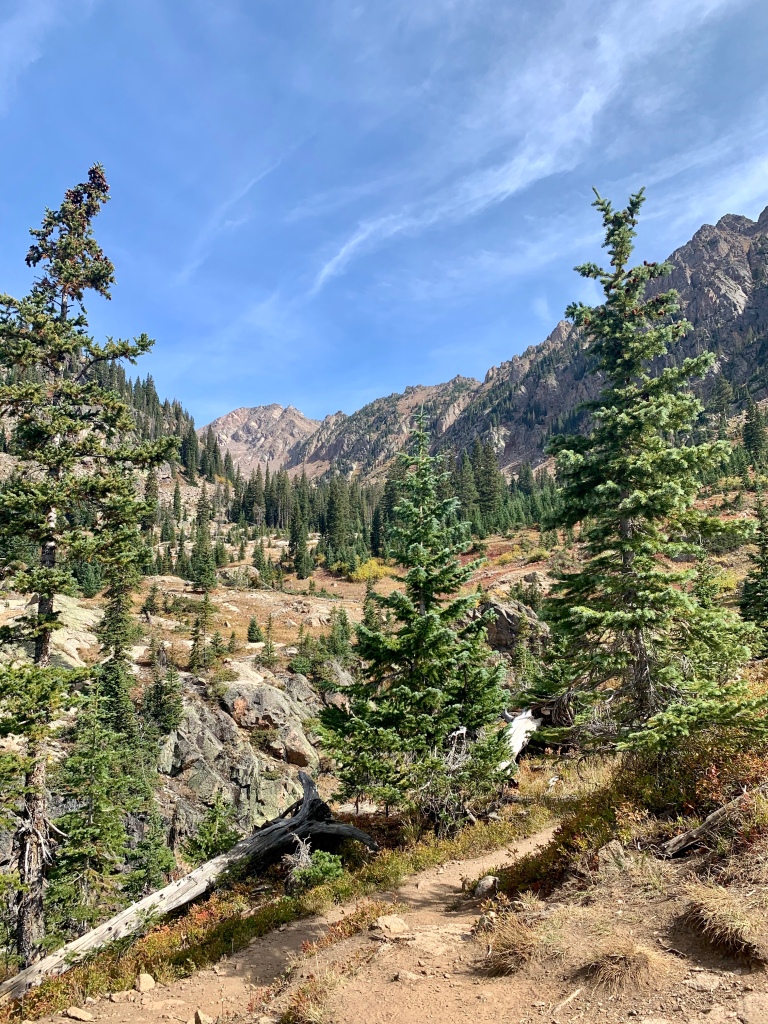
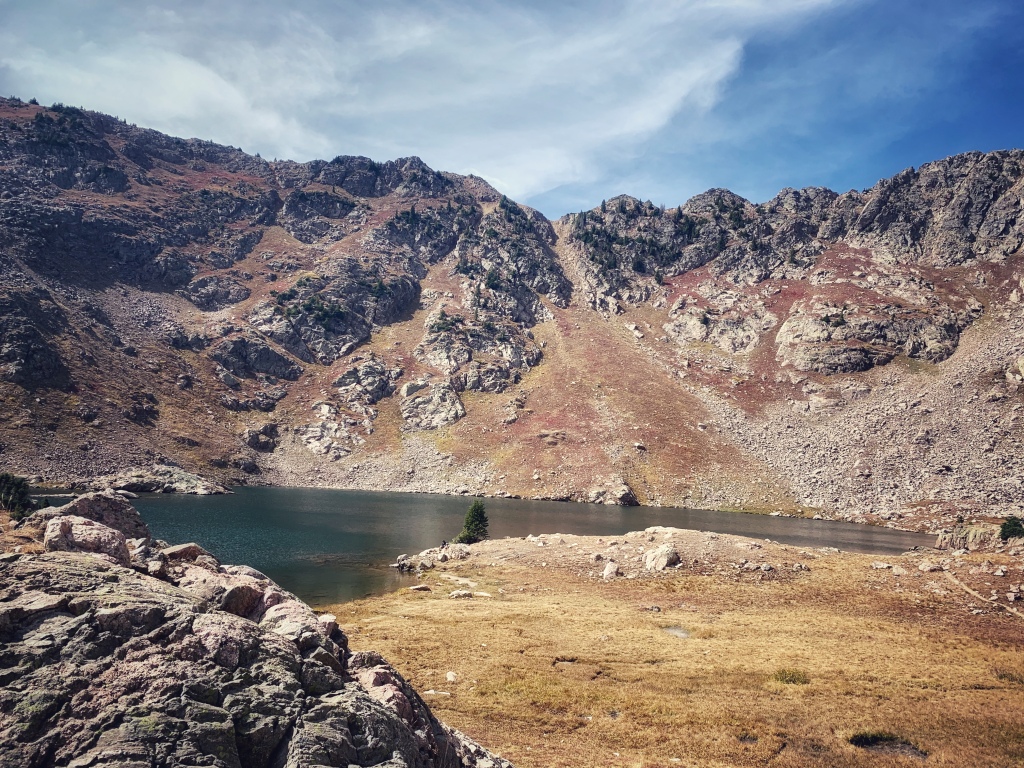
Around 3.5 miles we reached the subalpine tundra, with beautiful views behind us of Vail, Holy Cross and the canyon below. The last stretch to the lake was a little rocky, but the view of the Gore Range was worth it. Booth Lake was beautiful! It was really big for an alpine lake. We had the lake to ourselves for a stretch of time. No wildlife, but lots of goat fur. Despite the elevation gain being over 3K, the trail felt great since it was so spread out!













 Annie Hikes 500 Miles